 Net Worth Ranker





















What Is Wynton Marsalis’s Net Worth?
Wynton Marsalis, a prominent figure in the world of jazz and classical music, has an estimated net worth of $10 million. This wealth is primarily attributed to his successful career as a trumpeter, composer, educator, and artistic director of Jazz at Lincoln Center.
Financial Overview and Income Streams
Wynton Marsalis’s financial standing is supported by multiple income streams, showcasing his diverse talents and professional engagements. As the artistic director of Jazz at Lincoln Center, Marsalis commands a substantial annual salary, averaging around $1.4 million. However, in some years, his compensation has reached as high as $1.8 million, reflecting the significant role he plays in the organization’s success and artistic direction. While precise figures for album sales and concert revenues aren’t publicly available, it’s evident that these also contribute significantly to his overall income. His extensive discography, comprising numerous studio, live, and compilation albums, demonstrates a consistent output of musical content that generates royalties and performance fees.
His role as an educator also contributes to his income. Though specific figures are not available, it is likely that he has received compensation for masterclasses, workshops, and other teaching engagements throughout his career. The Pulitzer Prize for Music awarded to Marsalis for his oratorio “Blood on the Fields” further enhances his reputation and earning potential. The prestige associated with this award increases the demand for his performances, compositions, and educational services. Furthermore, his association with prestigious institutions like Lincoln Center adds a premium to his brand, attracting sponsorships, donations, and collaborative opportunities that enhance his financial standing. While specific details on endorsements or commercial investments are not publicly available, his consistent activity across multiple avenues related to music and education ensures a steady inflow of earnings that contribute to his $10 million net worth.
Early Life and Career Beginnings
Born on October 18, 1961, in New Orleans, Louisiana, Wynton Marsalis’s early life was deeply immersed in music. His father, Ellis Marsalis Jr., a jazz pianist, significantly influenced his musical development. Wynton received his first trumpet at the age of six, a gift from Al Hirt, a friend of his father. He attended Benjamin Franklin High School and the New Orleans Center for Creative Arts, demonstrating his commitment to both academic and artistic pursuits. During his formative years, Marsalis gained diverse musical experience, performing with funk and marching bands, as well as the New Orleans Civic Orchestra. His early exposure to various genres and performance settings shaped his versatility and prepared him for a multifaceted career.
At 17, he was one of the youngest musicians admitted to Tanglewood Music Center in Lenox, Massachusetts, a testament to his exceptional talent and dedication. In 1979, Marsalis moved to New York City to attend Juilliard, initially intending to pursue classical music. However, his path shifted toward jazz after touring Europe in 1980 with Art Blakey’s Jazz Messengers. This experience led to his first recording with Blakey and a subsequent tour with Herbie Hancock, solidifying his commitment to jazz. These formative experiences, while not directly translating into monetary wealth, laid the foundation for his future success and financial prosperity by honing his skills and expanding his network within the music industry.
Significant Career Milestones
Wynton Marsalis’s career is marked by numerous milestones that have significantly contributed to his net worth and reputation. His debut solo album, “Wynton Marsalis,” released in the early 1980s, marked the beginning of his solo career and generated initial income through record sales and performances. Forming a quintet with his brother Branford Marsalis and other talented musicians further propelled his career, leading to more extensive touring and recording opportunities. While specific sales figures for each album are not available, his consistent output of albums throughout the 1980s, including “Think of One,” “Hot House Flowers,” “J Mood,” and “Marsalis Standard Time, Vol. 1,” indicates a steady stream of revenue. His collaborations with prestigious orchestras, such as the National Philharmonic Orchestra, English Chamber Orchestra, and London Philharmonic Orchestra, expanded his reach and appeal, attracting a broader audience and generating additional income.
In 1997, Marsalis made history by winning the Pulitzer Prize for Music for his oratorio “Blood on the Fields,” the first-ever jazz composition to receive this honor. This prestigious award significantly elevated his status in the music world, increasing demand for his performances and compositions. His involvement with Jazz at Lincoln Center, starting in 1987, has been a pivotal point in his career. As the artistic director, he has played a crucial role in shaping the organization’s artistic vision and programming, while also securing a substantial annual salary. These milestones, characterized by consistent artistic output, critical acclaim, and strategic career moves, have collectively contributed to his $10 million net worth.
Jazz at Lincoln Center and Artistic Directorship
Wynton Marsalis’s association with Jazz at Lincoln Center has been a cornerstone of his career and a significant contributor to his net worth. In 1987, he was instrumental in launching a classical jazz summer concert series, which eventually led to the establishment of Jazz at Lincoln Center as a department. By 1996, the department had evolved into an independent entity, and Marsalis assumed the role of artistic director. This position not only reflects his artistic vision and leadership but also provides a substantial annual income. As mentioned earlier, his average yearly salary is $1.4 million, with some years reaching as high as $1.8 million. His responsibilities as artistic director include curating the organization’s programming, overseeing educational initiatives, and leading the Jazz at Lincoln Center Orchestra.
As the musical director of the Jazz at Lincoln Center Orchestra, Marsalis leads performances in a variety of venues, including concerts, television appearances, and radio broadcasts. The orchestra’s activities generate revenue through ticket sales, licensing fees, and recordings, contributing to the overall financial health of Jazz at Lincoln Center. This success, in turn, enhances Marsalis’s reputation and earning potential. His leadership at Jazz at Lincoln Center has also attracted significant philanthropic support, further bolstering the organization’s financial stability and allowing for expanded programming. While specific details on fundraising efforts are not publicly available, it is clear that Marsalis’s presence and influence have been instrumental in securing financial resources for the organization.
Accolades, Honors, and Recognition
Wynton Marsalis’s career is adorned with numerous accolades and honors that have significantly contributed to his reputation and, consequently, his net worth. Among his most notable achievements are multiple Grammy Awards, with his first two earned in 1983 in both jazz and classical categories. This made him the only musician in history to win Grammy Awards in both categories in the same year, a feat he repeated the following year. These Grammy Awards not only recognize his artistic excellence but also increase his visibility and marketability, leading to more lucrative performance and recording opportunities.
His Pulitzer Prize for Music in 1997 for “Blood on the Fields” further solidified his place in the pantheon of great musicians. The prestige associated with the Pulitzer Prize significantly enhances his reputation, attracting a wider audience and generating additional income through increased demand for his work. Marsalis has also received the National Medal of Arts, the National Humanities Medal, the Louis Armstrong Memorial Medal, the Algur H. Meadows Award for Excellence in the Arts, the Frederick Douglass Medallion, the Edison Award, and France’s Grand Prix du Disque. These honors not only recognize his artistic contributions but also increase his market value and earning potential. France has bestowed upon Marsalis its highest distinction, the Legion of Honor, further underscoring his international recognition and influence. His numerous honorary doctoral degrees from institutions such as New York University, Northwestern, Harvard, Princeton, and the University of Miami also reflect his intellectual and artistic contributions, enhancing his credibility and appeal.
While the exact monetary value of each award and honor is not publicly available, their cumulative effect on Marsalis’s career and net worth is substantial. These accolades serve as endorsements of his artistic excellence, attracting sponsors, donors, and collaborators who are willing to invest in his work. They also increase his visibility and marketability, leading to more lucrative performance, recording, and educational opportunities. The enhanced reputation and prestige associated with these honors contribute to a premium on his services, allowing him to command higher fees for his performances, compositions, and educational initiatives.
Personal Life and Relationships
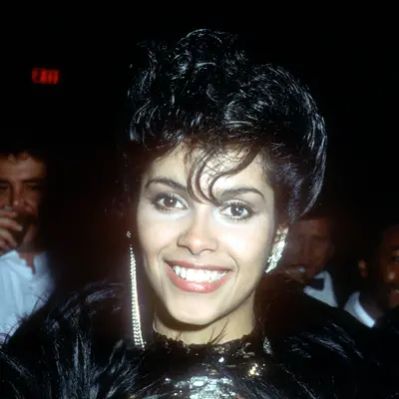
Wynton Marsalis’s personal life, while not directly impacting his net worth through financial transactions, has influenced his career and public image. For much of the 1980s and early 1990s, Marsalis was in a relationship with computer scientist Candace Stanley, with whom he had two sons, Wynton Jr. and Simeon. He later dated actress Victoria Rowell, and they had a son named Jasper. He also has a daughter named Oni, though the details of her maternal origins are not publicly known. While these relationships are private matters, they contribute to the public perception of Marsalis as a multifaceted individual with diverse interests and experiences. His involvement in family life and his commitment to his children likely influence his artistic endeavors and his approach to his career.
While specific details regarding his personal habits, lifestyle, or assets like real estate or luxury vehicles are not publicly available, it can be assumed that his lifestyle is commensurate with his $10 million net worth. Given his public persona as a dedicated musician and educator, it is likely that he invests in resources that support his artistic and educational pursuits. This may include maintaining a comfortable home, investing in musical equipment, and supporting educational programs. However, without specific details, it is impossible to provide a more detailed account of his personal life and how it relates to his net worth.
Summary of Wynton Marsalis’s Net Worth
In summary, Wynton Marsalis’s $10 million net worth is a testament to his successful and multifaceted career as a trumpeter, composer, educator, and artistic director. His substantial annual salary from Jazz at Lincoln Center, coupled with revenue from album sales, performances, and educational initiatives, contributes significantly to his overall wealth. His numerous accolades, including Grammy Awards and a Pulitzer Prize, enhance his reputation and marketability, leading to more lucrative opportunities. While specific details regarding his personal investments, real estate holdings, and other assets are not publicly available, his career trajectory and financial achievements provide a clear picture of his financial success.
His dedication to jazz and classical music, coupled with his commitment to education and artistic leadership, has solidified his place as a prominent figure in the music world. His ongoing involvement with Jazz at Lincoln Center, his continued output of musical compositions, and his consistent engagement with educational initiatives ensure that his financial success will continue to grow. While the specific details of his financial transactions and investment strategies remain private, his overall net worth reflects a career marked by artistic excellence, strategic career moves, and a commitment to sharing his passion for music with the world.